

Description:
The CFPB has released a Request for Information (RFI) seeking public input on potential changes to the TILA-RESPA Integrated Disclosure (TRID) Rule. While these are not proposed regulations, they provide an important glimpse into how the Bureau is thinking about the future of mortgage disclosures, timing requirements, fee tolerances, rescission, construction lending, and regulatory burden.
For many lenders, these concepts represent an opportunity to simplify mortgage operations.
For compliance professionals, they raise equally important questions about governance, consistency, Fair Lending oversight, and consumer protection.
This webinar takes a practical—not political—look at the CFPB’s proposals and explores both the operational opportunities and the governance considerations they present.
Rather than focusing solely on what may change, we’ll examine why TRID was implemented in the first place, what governance improvements developed over the past decade, and what questions financial institutions should be asking as they evaluate the CFPB’s proposals.
Whether you support modernization, targeted reform, or preserving the existing framework, this session is designed to encourage thoughtful discussion and help institutions prepare for what may come next.
What You’ll Learn
During this 90-minute webinar, participants will:
- Review the CFPB’s Request for Information and understand what changes are being considered.
- Discuss the historical challenges that led to TRID and why the integrated disclosure framework was created.
- Explore how TRID evolved beyond disclosure requirements into a governance framework influencing operations, pricing, documentation, and Fair Lending oversight.
- Examine the potential operational benefits of proposed changes, including construction lending modernization, electronic disclosures, and reduced regulatory burden.
- Evaluate governance considerations associated with increased flexibility, including timing requirements, fee tolerances, materiality standards, and discretionary decision-making.
- Discuss how changes could affect Fair Lending, UDAAP, consumer complaint management, examinations, and internal controls.
- Identify questions compliance officers, mortgage leaders, auditors, and executive management should be asking before significant regulatory changes occur.
- Consider how institutions can modernize mortgage processes while preserving the governance practices that promote consistency and consumer confidence.
Most discussions about the CFPB’s TRID proposals focus on operational efficiencies, but this webinar goes one step further. We’ll explore how TRID fundamentally changed governance across the mortgage industry and discuss how proposed changes may influence consistency, documentation, operational controls, Fair Lending oversight, and consumer protection. Rather than advocating for or against regulatory change, this session is designed to encourage thoughtful discussion and provide attendees with a governance framework for evaluating what may come next.
Who Should Attend?
This webinar is designed for:
- Compliance Officers
- Mortgage Compliance Professionals
- Chief Risk Officers
- Mortgage Operations Leaders
- Loan Operations Managers
- Mortgage Underwriters
- Lending Executives
- Internal Auditors
- Fair Lending Officers
- Compliance Auditors
- Quality Control Professionals
- Legal Counsel
- Mortgage Servicing Leaders
- Bank and Credit Union Executives
Presenters:
Kimberly Boatwright, CRCM, CAMS, FLE
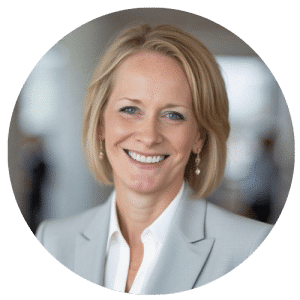
Kimberly Boatwright is EVP and Director of Risk and Compliance at Compliance Resource, LLC and has more than a two decades of experience working in the financial services industry. Ms. Boatwright is a well-regarded financial industry risk and compliance professional with a strong background in program development and implementation. She is a thought leader who specializes in Fair Lending, Anti-Money Laundering, OFAC and consumer compliance. During her career she has worked for and consulted with all types of financial institutions helping to establish and evolve compliance and risk programs. She is a frequent public speaker, trainer, and author on compliance and risk management topics. Kimberly is a Certified Regulatory Compliance Manager, a Certified Anti-Money Laundering Specialist and a Fair Lending Expert.

August 26, 2026